
Sweat odor builds gradually in upholstery and often goes unnoticed until it becomes concentrated enough to persist even when no one is sitting on the couch. The oils, salts, and bacteria involved do not respond well to most home cleaning methods, and attempts to saturate fabric with deodorizing solutions frequently trap moisture in padding where new odors develop. Trapped moisture inside a couch is one of the main reasons odors persist or return. Many couches that smell like sweat have absorbed body oils too deeply for surface treatment to matter.
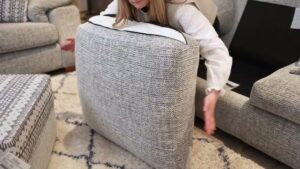
What to Do Immediately
Vacuuming the affected area can remove surface debris and loose particles that trap odor, though it does nothing for oils or bacteria already embedded in fabric weave. Airing out the room with open windows or fans may reduce the intensity temporarily, but this is not the same as eliminating the source. Avoid applying liquids or sprays without understanding what the fabric can tolerate, as moisture often reactivates dormant odors or creates a damp environment where bacteria thrive. If the smell seems strong in one cushion, that cushion has likely been absorbing sweat over weeks or months, and expecting immediate results from any method is unrealistic.
A Careful Cleaning Approach
Sunlight and fresh air work slowly but avoid the risks associated with wet cleaning, though prolonged sun exposure can fade and weaken many upholstery fabrics. Placing cushions outside in indirect light with good airflow may help, but results depend on how deeply the odor has penetrated. Lightly brushing fabric with a dry brush can loosen surface oils without adding moisture, though this has no effect on smells embedded below the surface. Baking soda is often suggested for absorption, but it must be vacuumed thoroughly afterward or it settles permanently into seams and crevices. Some fabrics react poorly to powder treatments and develop a chalky residue that does not come out. Waiting to assess whether a method worked until the area is completely dry prevents layering ineffective treatments on top of each other.
Common Mistakes That Feel Logical
Spraying fabric fresheners or deodorizers directly onto the couch usually masks the smell temporarily while adding a chemical layer that can become its own odor problem. This is why some couch odors seem worse after cleaning rather than better. Vinegar solutions are frequently recommended, but they can leave a sharp smell that lingers longer than expected and may damage certain fabric finishes. Steam cleaning feels thorough but often drives body oils deeper into cushion interiors and creates moisture conditions that encourage mildew. Overwashing removable covers can cause shrinkage or fading, and it does nothing for the cushion foam beneath where much of the odor actually resides. Assuming that because sweat is water-based it will respond to water-based cleaning ignores the oil and protein components that do not break down easily.
When This Approach Is Not Enough
Sweat odor that has accumulated over months or years in cushion foam or batting rarely responds to any home treatment. Some upholstery materials are naturally porous and absorb body oils in ways that cannot be reversed without specialized extraction equipment. If the smell remains strong after the couch has been aired out and allowed to dry completely for several days, surface methods have reached their limit. Removable covers offer more options, but replacing foam inserts is often the only way to truly eliminate embedded odors. Accepting that a heavily used couch will retain some smell—or that certain cushions may need to be replaced—is sometimes the only practical response. In situations like this, leaving the couch alone can prevent further damage.
FAQ
Can sweat odor be prevented from building up in the first place?
Using washable covers or throws over high-contact areas reduces direct absorption, though oils can still migrate through some fabrics over time. Regular vacuuming helps somewhat, but prevention has limits once a couch is used frequently.
Sweat odor develops when bacteria break down compounds left behind on fabrics.
What if the smell is only noticeable when someone sits down?
This usually means body heat is reactivating oils or bacteria trapped in the cushion. The odor is already deep in the padding, and surface cleaning will not reach it. Compression from sitting also releases smells that remain dormant otherwise.
Does the type of fabric affect how much sweat it absorbs?
Yes. Microfiber and tightly woven synthetics resist absorption better than natural fibers like cotton or linen, which pull moisture and oils into their structure. Leather has its own issues with oil buildup and usually requires different care entirely.
Is it possible the smell is coming from the frame or base instead of the cushions?
Occasionally, yes. Wooden frames or fabric bases beneath cushions can absorb odors if liquid has dripped through seams. These areas are nearly impossible to treat without disassembling the couch, and the smell will persist regardless of what is done to the visible upholstery.