
An aging refrigerator often continues to run well enough to avoid immediate concern. Food stays cold, lights turn on, and daily routines remain unchanged. Because there is no clear failure, the appliance can fade into the background. Over time, however, an older refrigerator can quietly increase long-term costs in ways that are easy to miss if attention is focused only on whether it still works.
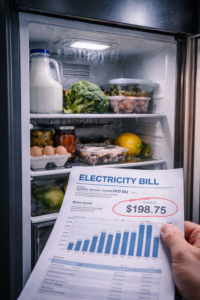
Why Aging Appliances Feel “Good Enough”
Refrigerators are designed to operate continuously, often for many years. As long as cooling appears consistent, it can feel reasonable to assume the appliance is still efficient. This perception makes aging easy to ignore, especially when problems do not interrupt daily use.
The absence of disruption can be misleading. Aging does not usually announce itself through sudden breakdowns. It tends to show up gradually, which is why slowing down to consider age-related change can matter even when performance feels acceptable.
How Efficiency Declines Without Obvious Failure
As a refrigerator ages, internal components slowly lose efficiency. Insulation can degrade, seals may no longer perform as precisely, and cooling systems can work harder to maintain the same temperatures. None of this necessarily stops the refrigerator from functioning.
Because the appliance compensates internally, outward performance may look stable. Structural changes inside a refrigerator often reduce efficiency before causing obvious failure.
The cost of that compensation is often hidden in increased energy use. Pausing to recognize that steady performance may require more effort over time can help explain why costs rise without visible warning.
Energy Use as a Quiet Cost Multiplier
Older refrigerators often consume more energy than newer or less-worn units, even if they appear to operate normally. This increased consumption tends to accumulate quietly through utility bills rather than showing up as a single noticeable expense.
Since energy costs are spread over time, they rarely trigger immediate concern. It can feel unnecessary to reassess something that still runs. However, allowing higher usage to continue unchecked can turn small increases into significant long-term expense.
The Compounding Effect of Small Inefficiencies
Minor inefficiencies rarely exist in isolation. As one area of the refrigerator becomes less effective, others may compensate. This can create a chain reaction where multiple systems work harder than intended.
Each individual change may seem insignificant. Together, they can steadily raise operating costs. Gradual wear often increases cost long before it forces a decision.
Choosing to slow down and consider the cumulative effect can be more informative than focusing on any single symptom.
Maintenance vs. Age-Related Wear
Routine maintenance is often seen as the solution to rising costs. While maintenance can help address certain issues, it cannot fully reverse age-related wear. Internal materials and components change over time in ways that cleaning or adjustment cannot completely resolve. Age-related wear often looks like a maintenance issue until patterns become clearer.
When maintenance efforts do not lead to lasting improvement, continued spending can add to long-term costs rather than reduce them. Recognizing when age is the underlying factor can prevent repeated efforts that offer diminishing returns.
Why Cost Increases Often Go Unnoticed
Unlike repairs or replacements, increased operating costs do not demand immediate decisions. They blend into normal expenses. This makes them easier to tolerate and harder to attribute to a specific cause.
Because nothing feels urgent, reassessment is often delayed. Pausing to reassess patterns can reveal costs that routine use hides.
Taking time to observe patterns instead of reacting to individual bills can clarify whether costs are trending upward due to aging rather than external factors.
Reliability and Predictability Over Time
As refrigerators age, reliability can become less predictable. Even if failures do not occur, performance may vary more than before. This variability can contribute to inefficiency and higher costs without causing outright malfunction.
Predictability matters because it affects planning. When an appliance becomes harder to anticipate, the financial impact often grows quietly. Slowing down to notice changes in consistency can provide insight before costs escalate further.
Long-Term Costs Beyond Energy Bills
Energy use is only one aspect of long-term cost. Aging refrigerators may also require more frequent attention, adjustments, or minor interventions. Each instance may seem manageable, but together they add time, effort, and expense.
These indirect costs are easy to overlook because they are spread out. Acknowledging them can change how the overall cost of keeping an aging appliance is understood.
When “Still Running” Masks Growing Expense
The idea that an appliance is fine because it still runs can hide the reality of rising costs. Function alone does not reflect efficiency or economy. Performance-based assumptions can hide rising costs as well as rising risk.
Over time, the gap between operation and value can widen without clear signals.
Recognizing this gap does not require immediate action. It simply invites a more cautious perspective. Doing less, observing more, and resisting assumptions can prevent costs from accumulating unnoticed.
FAQ
Does an aging refrigerator always cost more to run?
Not always. Some older units remain relatively efficient, but many gradually consume more energy as components wear.
Why don’t higher costs show up suddenly?
Energy use and minor inefficiencies accumulate over time, making increases feel gradual rather than obvious.
Can maintenance fully offset age-related costs?
Maintenance can help, but it cannot completely reverse internal aging. Costs may still rise even with attention.
Is it reasonable to keep using an older refrigerator if it works fine?
It can be reasonable, but it is also reasonable to pause and reassess when long-term costs quietly increase.