
When a couch needs cleaning, it’s tempting to look for a single method that works for everything. In reality, fabric type plays a central role in how a couch reacts to any form of cleaning. What feels safe for one material can quietly damage another. Understanding these differences is less about finding the right technique and more about knowing when to slow down, limit action, or stop altogether.
Why Fabric Differences Matter More Than Most People Expect
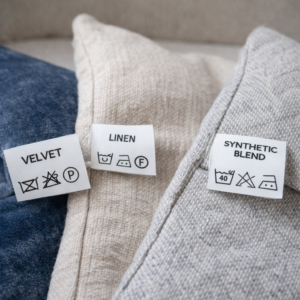
Couch fabrics are designed with different priorities in mind, such as appearance, comfort, durability, or cost. These priorities affect how fibers are structured, finished, and supported underneath. As a result, fabrics respond very differently to moisture, friction, and handling.
Because these differences are not always visible, it’s easy to assume that similar-looking couches behave the same way. That assumption often leads to over-cleaning or inappropriate cleaning. Pausing to consider fabric type before acting can prevent damage that only becomes obvious later.
Understanding Fabric Structure Before Cleaning
Some fabrics have tightly packed fibers that resist penetration, while others are more open and absorbent. Differences in fiber density and construction are well documented in textile structure and material behavior. Certain materials rely on surface finishes to maintain their look, while others depend on the natural shape of the fibers themselves.
Cleaning affects all of these elements at once. Moisture can travel differently through each fabric, and friction can alter fiber alignment in ways that don’t reverse. This is why excess moisture becomes risky, a problem explained further in Why Over-Wetting a Couch Causes Long-Term Damage. Recognizing that fabric structure is not uniform helps explain why restraint is often safer than experimentation.
Why Some Fabrics Show Damage Faster Than Others
Delicate or highly textured fabrics tend to show damage quickly because their appearance depends on precise fiber arrangement. Even small disruptions can change how they feel or reflect light. This sensitivity is one reason texture shifts occur, as discussed in Why Scrubbing Changes Couch Fabric Texture. In these cases, damage may appear after minimal contact.
Other fabrics may hide early damage and reveal it only after drying or repeated cleaning. This delayed response can be misleading, making it seem like cleaning was successful at first. Slowing down instead of escalating effort reduces the chance of triggering these delayed changes.
Absorbent vs. Surface-Oriented Fabrics
Some couch fabrics absorb moisture readily, pulling liquid below the surface. Others keep most moisture near the top layer. Absorbent fabrics are more likely to trap residue or odors internally, while surface-oriented fabrics are more prone to visible texture or color changes. This internal trapping effect is explored further in Why Couch Cushions Hold Odors Longer Than Fabric.
Neither type is “easier” to clean. Each carries different risks. Knowing which category a fabric falls into can help justify stopping early rather than pushing for a deeper clean that may not be safe.
Why Universal Cleaning Advice Often Fails
General cleaning advice tends to ignore fabric-specific behavior. Instructions that sound reasonable in theory may assume durability that a particular couch does not have. When applied broadly, these methods can cause uneven results or cumulative stress. A common example of this mismatch appears in Why Couch Stains Sometimes Look Worse After Drying.
If advice feels overly confident or dismisses fabric differences, hesitation is appropriate. Pausing instead of following one-size-fits-all guidance can protect the couch from unintended harm.
When Fabric Type Is a Reason to Do Less
In many cases, the safest response to a fabric’s sensitivity is reduced action. Light intervention or no intervention at all may preserve the couch better than repeated attempts to improve it.
Choosing to do less does not mean neglecting the couch. It means recognizing limits imposed by the fabric itself. This acceptance often prevents permanent changes that cleaning cannot undo.
How Fabric Age Changes Cleaning Behavior
Fabric does not behave the same way over time. Wear, previous cleanings, and environmental exposure all affect how fibers respond. A method that seemed safe before may no longer be appropriate later.
This shift makes caution increasingly important as a couch ages. When uncertainty grows, stopping or delaying cleaning is often the more protective choice.
When Stopping Is the Safest Fabric-Specific Decision
If fabric reacts unpredictably, changes texture quickly, or creates doubt about the next step, those are strong signals to pause. Continuing despite those signals often causes damage tied directly to fabric limitations.
Recognizing when fabric type sets a boundary is key. Respecting that boundary by stopping early can preserve the couch far better than trying to push past it.
FAQ
Why does the same cleaning method work on one couch but not another?
Because fabric types differ in structure, absorption, and surface behavior. These differences affect how cleaning stress is handled.
Can fabric damage appear days after cleaning?
Yes. Some fabrics show delayed reactions, especially after drying or repeated handling.
Is it safer to clean less when fabric type is unknown?
Generally, yes. When fabric behavior is uncertain, restraint reduces risk.
Does fabric type matter even with gentle cleaning?
Yes. Even gentle actions can affect sensitive fabrics, especially when repeated.