
Introduction
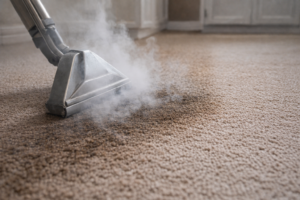
Steam cleaning is often seen as a deep, thorough way to refresh a carpet, especially when stains or odors seem stubborn. The problem is that heat and moisture can interact with carpet materials in ways that are not obvious at first. Slowing down before using steam can prevent changes that cannot be undone.
Many carpets look fine immediately after steam cleaning, which makes it easy to assume the method was safe. Pausing to understand the risks matters, because some damage only becomes clear later.
Warning Signs to Pause or Stop
One warning sign is uncertainty about how the carpet is constructed. If the backing, padding, or fibers are unknown, applying heat and moisture together can be risky. When construction details are unclear, stopping is often safer than experimenting.
Another sign is a history of previous cleanings. Carpets that have already been cleaned multiple times may be more sensitive to additional stress. If past attempts left the carpet slower to dry or slightly altered in texture, steam can push it past a tolerance point.
Lingering dampness after cleaning is also a signal to pause. When moisture does not dissipate evenly, it can affect areas below the surface. In those cases, continuing or repeating steam cleaning may lock in problems rather than solve them.
Why DIY Cleaning Can Make Things Worse
Steam cleaning combines heat, pressure, and moisture, which can overwhelm some carpets. This is similar to how moisture travels inside a couch after cleaning, where dampness moves beyond the surface and becomes difficult to remove. The heat can relax adhesives in the backing, while moisture seeps into padding that is difficult to dry. Once these layers shift or break down, the damage is usually permanent. This mirrors why over-wetting a couch causes long-term damage, where moisture remains trapped and slowly worsens structural problems.
Repeated passes often increase risk. Each attempt adds more heat and moisture, even if it feels controlled. This can lead to rippling, shrinkage, or changes in how the carpet lies on the floor. When results start to look uneven, stopping can limit how widespread the damage becomes.
Steam can also change how fibers behave. Some carpets lose resilience or develop a flattened appearance after exposure to high heat. When texture changes appear, further cleaning rarely restores the original feel.
Safer Alternatives to Consider
In some situations, choosing not to deep clean right away is the safer option. Allowing the carpet to rest can reveal whether issues are surface-level or structural. Waiting can feel unproductive, but it reduces the chance of compounding hidden damage.
Dry or low-moisture maintenance may be less risky when light cleaning feels necessary. Removing loose debris without heat avoids stressing the backing and padding. Even then, moving slowly and stopping early can protect vulnerable areas.
If uncertainty remains, seeking assessment rather than action can help. Understanding the carpet’s condition before applying steam preserves options that aggressive cleaning might remove.
Why Doing Nothing Can Sometimes Be the Smartest Choice
Once steam-related damage occurs, it cannot usually be reversed. Shrinkage, delamination, or texture loss often require replacement rather than repair. Avoiding steam cleaning altogether can preserve a carpet that still has usable life.
Doing nothing also prevents moisture from being trapped where it cannot escape. This is especially important when the carpet already shows signs of slow drying or uneven wear. Leaving the carpet alone may keep a manageable situation from becoming permanent.
Choosing not to steam clean is not neglect. It can be a deliberate decision to protect the carpet when risks outweigh potential benefits, and that restraint often prevents long-term regret.
FAQ
Can steam cleaning ruin a carpet even if it looks fine at first?
Yes, some damage develops beneath the surface and appears later. When unsure, pausing is safer than repeating the process.
Is steam cleaning always too risky for carpets?
Not all carpets react the same way, but uncertainty increases risk. If construction details are unknown, avoiding steam can reduce potential harm.
Why does damage sometimes appear days after steam cleaning?
Moisture and heat can affect backing and padding slowly. Delayed changes are a sign that deeper layers were impacted.
Is it better to leave a carpet slightly dirty than risk steam cleaning?
In many cases, yes. Preserving structure is often more important than achieving a temporarily cleaner appearance.