
Sticky residue on upholstery attracts dirt immediately and becomes harder to remove the longer it remains, but most attempts to dissolve or scrub it away damage fabric texture or leave new stains worse than the original problem. The substance causing the stickiness determines what might work, and guessing incorrectly often makes the residue spread or bond more firmly to fibers. Many cleaning efforts create a larger tacky area than what existed initially.
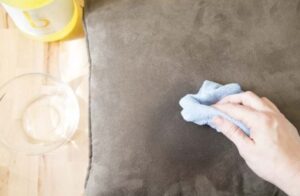
What to Do Immediately
Identifying what caused the stickiness matters more than acting quickly, though this information is often unavailable or unclear. Scraping gently with a dull edge may lift some residue if it has not fully bonded to fabric, but applying pressure pushes it deeper into weave and makes removal nearly impossible. Avoid adding water or solvents without knowing what the residue is, as some substances become stickier or spread when introduced to liquids. Rubbing with cloths or paper towels usually expands the affected area and works the residue into surrounding fabric. If initial gentle lifting does not work, stopping prevents worsening the situation.
A Careful Cleaning Approach
Testing any removal method on hidden fabric first reveals whether the upholstery will discolor, stiffen, or lose texture before the visible area is affected. A barely damp cloth may work on water-based residues, but anything oil-based will resist and often spread with moisture. Some sticky substances respond to dry methods like cornstarch or talcum powder that absorb oils over time, though this requires patience and thorough vacuuming afterward or the powder becomes its own problem. Solvents or alcohols can dissolve certain residues but also strip dye, weaken fibers, or leave rings that are more noticeable than the original stickiness. Working from the outside edges inward prevents expanding the damage zone, though results remain unpredictable. Allowing each attempt to dry completely before trying something else is essential, as layering methods creates chemical interactions that can permanently alter fabric.
Common Mistakes That Feel Logical
Using heat from hair dryers or irons to soften residue often melts it further into fabric fibers or sets it permanently. Ice is sometimes suggested to harden sticky substances, but this only works on specific materials and can cause moisture damage as it melts. Household products like peanut butter, mayonnaise, or cooking oil are recommended online for removing adhesives, but they leave greasy stains that are harder to address than the original residue. Scrubbing harder when gentle attempts fail damages fabric pile and spreads the stickiness across a wider area. Repeated friction can permanently change how couch fabric looks and feels. Assuming that because something is sticky it will respond to the same treatment as tape or glue ignores the variety of substances that create tacky surfaces.
When This Approach Is Not Enough
Some residues bond chemically with synthetic fibers and cannot be removed without removing the fabric itself. Old or heat-set stickiness has often become part of the upholstery structure rather than something sitting on top of it. If the area remains tacky after drying completely from multiple careful attempts, the residue has likely penetrated too deeply or reacted with the fabric in ways that cannot be reversed. In these situations, leaving the couch untreated can prevent further damage. Removable covers offer the option of more aggressive treatment away from the couch frame, but non-removable upholstery leaves few choices once home methods fail. Covering the area with a washable throw or accepting that the spot will feel different than the surrounding fabric is sometimes the only realistic outcome.
FAQ
What if the residue keeps attracting dirt even after cleaning?
This usually means some sticky substance remains in the fabric, even if it is no longer visible. Each cleaning attempt may have left trace amounts that continue to trap particles. Further treatment often adds to the problem rather than solving it.
Many sticky residues bond to fabric fibers as they age or dry.
Can sticky residue damage the couch permanently if left alone?
The residue itself may not cause damage, but the dirt and debris it attracts can abrade and darken fabric over time. However, aggressive removal attempts frequently cause more immediate and visible harm than leaving the stickiness untreated.
Does the age of the residue affect whether it can be removed?
Yes. Fresh residue sometimes lifts with gentle methods, while old residue has usually bonded with fabric fibers or oxidized into a different substance. Expectations should be significantly lower for stickiness that has been present for weeks or months.
What if the fabric texture has changed in the sticky area?
Texture change usually indicates the residue has altered the fabric structure or that previous cleaning attempts have damaged fibers. This type of change is generally permanent and cannot be reversed through further treatment.