
Introduction
When a carpet starts looking worn, stained, or damaged, the first instinct is often to try one more cleaning or repair. That reaction is understandable, but it does not always lead to the best outcome. In some cases, continuing to “save” a carpet quietly costs more than starting over.
This is a situation where slowing down matters. Pausing to consider the bigger picture can prevent repeated expenses that never fully solve the problem.
Warning Signs to Pause or Stop
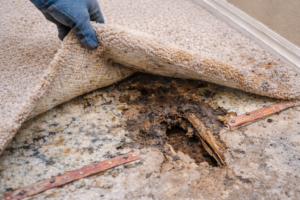
One warning sign is when problems keep returning after cleaning. Stains reappear, odors come back, or texture changes do not improve despite multiple attempts. When the same issues resurface, it may indicate that damage exists below the surface.
Another sign is widespread wear rather than isolated damage. If thinning, matting, or discoloration appears across large areas, spot treatments rarely make a meaningful difference. At that point, hesitation is reasonable, because further effort may only mask decline temporarily.
Age and past maintenance also matter. Carpets that have already undergone heavy cleaning, patching, or repair are often less forgiving. When each new attempt produces smaller improvements, stopping is often safer than pushing forward.
Why DIY Cleaning Can Make Things Worse
Trying to restore an aging carpet can unintentionally accelerate its decline. Deep cleaning adds moisture and stress to fibers that may already be weakened. This is similar to situations where steam cleaning a carpet makes damage permanent, turning a repair attempt into a larger expense. Instead of extending life, these efforts can shorten it.
Costs can also add up quietly. Repeated rentals, products, or partial repairs may seem minor individually, but over time they approach or exceed replacement costs. When results remain inconsistent, continuing can become a cycle of spending without resolution.
There is also the risk of uneven outcomes. Some areas may respond while others degrade, leaving the carpet looking patchy. Once appearance becomes uneven, further cleaning rarely restores balance.
Safer Alternatives to Consider
Taking a step back to assess overall condition can be a safer alternative. Looking at the carpet as a whole, rather than focusing on one problem spot, often changes the decision. Waiting before acting can make that perspective clearer.
Limiting intervention is another option. Basic upkeep without aggressive cleaning may stabilize the situation temporarily. Even then, stopping early is often better than pushing for perfection.
Considering replacement as a comparison point can also reduce pressure. Knowing the approximate cost of replacement helps put ongoing repairs into context. This information can guide decisions without forcing immediate action.
Why Doing Nothing Can Sometimes Be the Smartest Choice
There are moments when the most practical choice is to stop investing time and money into a declining carpet. Continued efforts do not always extend usable life in a meaningful way. Accepting limitations can prevent ongoing frustration.
Doing nothing also preserves clarity. It avoids further altering the carpet, making it easier to decide later whether replacement makes sense. Acting less keeps options open instead of narrowing them.
Choosing not to “save” a carpet is not giving up. It can be a measured decision that avoids sinking resources into a problem that no longer has a cost-effective solution.
FAQ
How can replacing a carpet be cheaper than cleaning it?
When cleaning and repairs are repeated without lasting improvement, the total cost can exceed replacement over time.
Is it worth trying one last deep clean?
If previous attempts brought only short-term results, another attempt may carry more risk than benefit. Pausing can prevent further waste.
What if only part of the carpet is damaged?
Localized issues can sometimes be managed, but widespread wear often limits the value of further effort.
Does doing nothing mean living with a bad carpet?
Not necessarily. It can mean delaying action until replacement is clearly the better option, rather than continuing costly fixes.