
Introduction
Pet urine on a couch often creates urgency. The smell can be strong, the source feels obvious, and the instinct is to clean it immediately before it “sets in.” While that reaction is understandable, urine behaves in ways that make some situations unsafe to handle without the right conditions. This is why pet urine problems often require more caution than basic cleaning guides suggest.
Pausing before acting is not neglect. In many cases, hesitation prevents urine from spreading deeper into the couch, where damage becomes far more difficult to manage.
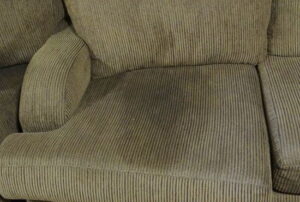
Warning Signs to Pause or Stop
If one or more of the following apply, it may be safer not to try removing pet urine yourself:
-
The urine soaked into the cushion rather than staying on the surface
-
The couch remained wet for more than a short period
-
A strong odor persists even after light drying
-
The fabric feels damp or heavier than usual
-
The stain has already been treated once or more
-
The fabric type is unknown, delicate, or textured
-
You feel unsure whether cleaning will help or worsen the problem
Odor that appears after drying is often a sign that contamination remained inside the couch.
Uncertainty matters here. Feeling unsure often means urine may have reached layers that are easy to damage and hard to dry.
Why DIY Cleaning Can Make Things Worse
Pet urine is not just moisture. Pet urine contains dissolved compounds that can remain in materials even after visible moisture dries. It contains salts, organic compounds, and odor-causing material that can move deeper into padding when liquid cleaners are applied.
Adding water, scrubbing, or using strong products can spread urine further into foam and batting. As surface moisture dries, contamination may remain trapped inside, releasing odor later even if the couch looks clean at first. Moisture can trap odor-causing material deep inside cushions and padding.
Stopping early can prevent urine from being sealed into the internal structure of the couch.
Safer Alternatives to Consider
Instead of immediate cleaning, safer options may include:
-
Allowing the area to stabilize before introducing moisture
-
Blotting excess liquid without pressing it deeper
-
Testing any product only on a hidden section of fabric
-
Observing whether odor changes as the couch dries naturally
-
Seeking professional evaluation without committing to treatment
Choosing to observe or test is not giving up. It reduces the risk of spreading contamination while preserving future options.
Why Doing Nothing Can Sometimes Be the Smartest Choice
Not every urine incident requires immediate action. In some cases, intervening too quickly causes more damage than allowing the couch to settle.
Restraint can prevent deeper saturation, long-term odor problems, and repeated cleaning cycles that degrade fabric and cushioning. Waiting keeps solutions open, while rushed cleaning can permanently limit them.
FAQ
Does pet urine always cause permanent damage if untreated?
No. Some urine exposure stabilizes without spreading. Aggressive cleaning can increase damage.
Do enzyme cleaners always solve urine odor?
Not always. Enzymes may help with surface contamination but cannot fix deeply saturated cushions.
Is heat useful for drying urine spots?
Heat can intensify odor and seal residue into fabric. Avoiding heat is often safer.
What if the smell is strong right away?
Strong odor does not always mean deeper damage. Acting carefully can prevent it from becoming worse.
When should DIY urine removal be avoided?
When urine has reached padding or the fabric response is unclear, stopping is usually the safer choice.