
Grease doesn’t behave like most liquids people are used to cleaning. It moves through fabric in ways that aren’t immediately visible, and by the time the stain looks serious, it may have already traveled deeper than expected. This difference in behavior is why common cleaning instincts often backfire with grease, and why patience—not speed—matters more than most people realize.
Why This Stain Is Difficult
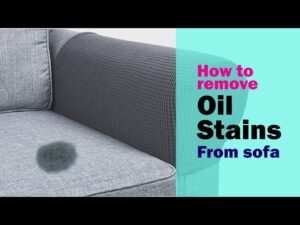
Grease doesn’t sit on the surface the way water does. It spreads outward and downward at the same time, soaking into fibers without leaving the obvious wet mark that signals where it’s gone. Water beads up or evaporates, giving some warning. Grease absorbs silently and stays. It also binds to fabric in a way that makes it resistant to water-based cleaning, which is what most people try first. The stain may look small at first, then reappear darker or wider after an initial attempt to clean it. This is why surface-level grease stains often behave unpredictably once cleaning begins.
Understanding the Fabric First
Different fabrics react to grease in ways that aren’t predictable from appearance alone. A couch that looks durable might have a finish that traps grease near the surface, or it might have an open weave that pulls it straight through to the padding. Some synthetic materials repel grease briefly before it finds a way in, while natural fibers can absorb it almost instantly. Without knowing how the fabric is constructed or treated, it’s difficult to guess how far the grease has already traveled. Testing on a hidden area might reveal how the material reacts, but it won’t show how deep the existing stain has gone. If the care label is missing or vague, assume the fabric is more delicate than it appears.
Why Grease Spreads Differently Than Water
Water moves through fabric and then dries or evaporates, leaving behind whatever was dissolved in it. Grease doesn’t evaporate. It stays liquid or semi-liquid inside the fibers, continuing to spread slowly even after it looks like it’s stopped. This means a grease stain can grow in size hours or even days after the initial contact, especially if pressure or heat is applied to the area. Rubbing or blotting can push grease deeper or wider, turning a small spot into a larger, irregular stain. The fact that grease is often invisible when fresh makes it easy to misjudge how much is actually there.
Why People Misjudge Grease Stains
Grease stains often look smaller or less serious than they are. A faint mark on the surface might suggest only a light touch of oil, but the bulk of the grease could already be several layers deep in the cushion. Because grease doesn’t change the texture of fabric the way water does, there’s no immediate feedback about saturation. People also tend to assume that if a stain isn’t sticky or wet to the touch, it’s not spreading—but grease can move through fabric without feeling damp. This leads to cleaning attempts that focus only on the visible mark, leaving the absorbed grease untouched. Body oils behave in a similar way, often building up gradually and becoming noticeable only after disruption. When the stain reappears or darkens, it’s often because the cleaning method pushed surface grease inward or reactivated what was already deep in the material.
Why Common Cleaning Methods Make It Worse
Most instincts with stains involve water, rubbing, or heat. Grease resists all three in ways that often expand the problem. Adding water to grease doesn’t dissolve it; it can push it further into the fabric or cause it to spread across a wider area. Rubbing applies pressure that drives grease deeper, especially if the fabric has any give or cushioning beneath it. Heat—from a dryer, iron, or even warm water—can liquify grease that had started to settle, allowing it to migrate further. Even seemingly gentle blotting can enlarge the stain if the cloth used isn’t absorbent enough or if too much pressure is applied. It’s worth pausing before touching the stain at all to consider whether the action might move grease rather than remove it.
Delayed Damage and Hidden Saturation
Grease doesn’t always show its full extent immediately. A couch cushion might look only lightly marked on the surface while the inner foam or batting is saturated. Over time, this hidden grease can attract dirt, darken, or develop an odor that wasn’t present at first. The stain may also oxidize or change color as it interacts with air and fabric dyes, making it look worse weeks later even if nothing new has been spilled. Some fabrics develop a permanent shadow or discoloration once grease has been present for more than a few days, even if the oily texture eventually fades. This delayed visibility is one reason grease stains are harder to assess than they appear.
Fabric Types That Require Extra Caution
Velvet, microfiber, and any fabric with a nap or directional texture can show grease damage in ways that aren’t reversible. The stain might lift partially but leave a flattened or discolored area where the fabric’s structure has changed. Leather and faux leather can absorb grease into their finish, causing dark spots that resist most cleaning methods. Linen and cotton blends often pull grease deep into their weave quickly, making surface cleaning ineffective. If the fabric has any kind of coating or stain-resistant treatment, grease can sit between the treatment and the fiber, creating a slick layer that spreads under pressure. Before attempting anything, consider whether the fabric might be more fragile or reactive than it looks.
When Stopping Is the Safer Choice
Not every grease stain can or should be cleaned at home. If the stain is large, old, or has already been treated unsuccessfully, further attempts may only make it harder for a professional to address. If the fabric reacts unexpectedly to a test spot—pilling, lightening, or feeling rough—it’s worth stopping before the visible stain area is affected. Some couches are not designed to tolerate moisture or agitation, and pushing forward with cleaning can cause more obvious damage than the original grease mark. If there’s any doubt about the fabric type, the depth of saturation, or whether a method is safe, hesitation is more sensible than action. It’s also acceptable to leave a stain alone if it’s in a low-visibility area and the risk of worsening it outweighs the benefit of removal.
FAQ
Why does grease spread even after it dries?
Grease doesn’t dry the way water does. It remains in the fabric as an oil, and pressure, heat, or even the weight of someone sitting on the couch can cause it to shift and spread further over time.
Can I use dish soap on a grease stain?
Dish soap is designed to break down grease, but using it on fabric isn’t straightforward. It requires careful dilution, minimal moisture, and thorough rinsing—all of which are difficult to control on a couch. It’s easy to leave residue behind or oversaturate the cushion.
How do I know if the grease has soaked into the padding?
If the stain reappears after cleaning, darkens over time, or feels different in texture than the surrounding fabric, it’s likely deeper than the surface. Pressing gently on the area might reveal whether the padding beneath feels different.
Is it safe to use heat to remove grease?
Heat can liquify grease and cause it to spread further into the fabric or padding. Even warm water can have this effect. If heat is used, it should be minimal and tested carefully, but avoiding heat entirely is often safer.
What if the stain looks worse after I tried to clean it?
This usually means the grease was pushed deeper or spread wider during cleaning. Stopping at that point and consulting a professional is more prudent than continuing, as repeated attempts tend to compound the issue.
Should I treat a fresh grease stain immediately?
Not always. Immediate action can spread grease if done incorrectly. Taking time to assess the fabric, consider the stain’s size, and plan a cautious approach is often more effective than reacting quickly.