
Natural fabrics often seem more forgiving than synthetic materials, but the opposite is frequently true when cleaning stains from a couch. Cotton, linen, wool, and silk react unpredictably to moisture and cleaning agents in ways that aren’t always visible until after the damage is done. What looks like a simple spill can become a permanent mark if the fabric’s structure changes during cleaning.
The difficulty isn’t just about the stain itself—it’s about how natural fibers absorb, swell, and shift when wet, and how certain cleaning methods accelerate problems that wouldn’t occur on polyester or microfiber.
H2: Why Natural Fibers Behave Differently
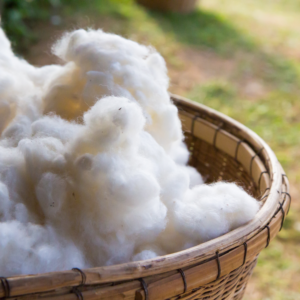
Natural fabrics are made from plant or animal fibers that retain some of their original properties even after processing. Textile science sources explain that natural fibers retain structural characteristics that affect how they respond to moisture and chemicals. Cotton and linen absorb liquid quickly and hold it deep within the fiber structure, which means stains penetrate further than they would on synthetic surfaces. Wool contains proteins that can be damaged by alkaline cleaners or excessive heat. Silk is especially vulnerable to water spots and pH imbalances.
These materials also lack the uniformity of synthetic fabrics—each fiber may respond slightly differently to the same treatment. Before assuming a method is safe, consider that the fabric might behave in ways you haven’t seen before. This unpredictability becomes more obvious when moisture is involved.
H2: The Problem With Water
Water seems harmless, but it causes natural fabrics to swell and contract in ways that can distort the weave or leave permanent marks. Cotton and linen can develop water rings that are harder to remove than the original stain. Wool can felt or shrink if agitated while wet. Silk may lose its sheen or develop streaks.
Even if the stain lifts, the fabric itself might look different afterward—duller, puckered, or uneven. This happens because water disrupts the fiber structure, and drying doesn’t always return it to its original state.
H2: Why Cleaning Agents Are Riskier
Natural fabrics often react to the pH of cleaning solutions in ways that aren’t immediately obvious. Wool and silk can be weakened or discolored by alkaline cleaners, even mild ones. Cotton can yellow if exposed to certain chemicals or if residue is left behind. Linen may become stiff or brittle.
The problem is that many household cleaners aren’t labeled with their pH levels, and what works safely on one natural fabric may not work on another. Testing in a hidden area doesn’t always reveal delayed reactions that show up hours or days later.
H2: Absorption Depth and Spreading
Because natural fibers absorb moisture so readily, attempting to clean a stain can cause it to spread deeper or wider into the fabric. Blotting may not be enough to prevent this, and applying too much liquid—even plain water—can push the stain further into the cushion filling below the surface.
Once a stain reaches the padding or foam, it becomes much harder to address without removing the upholstery, and moisture trapped inside can lead to mildew or odors that persist even after the surface appears clean.
H2: Drying Issues That Create New Problems
Natural fabrics dry more slowly than synthetics, and uneven drying can cause visible tide marks or rings. If one area dries faster than another, the difference in moisture levels can pull dyes or residues toward the drier section, creating new discoloration.
Forced drying with heat or fans can shrink wool, stiffen linen, or cause cotton to pucker. Air drying may take longer than expected, and during that time the fabric remains vulnerable to new stains or mildew growth. This drying stage is often when secondary issues begin to surface.
H2: When Color Becomes Unstable
Some natural fabrics are dyed with methods that aren’t colorfast when exposed to moisture or certain cleaners. Even a small amount of water can cause dyes to bleed or fade, especially in older upholstery or fabrics that weren’t treated for color stability.
This isn’t always predictable—two pieces of cotton fabric might respond completely differently depending on how they were dyed. If the color changes even slightly during a test, continuing with any wet cleaning method is risky.
H2: The Limits of Gentle Methods
Even conservative approaches like blotting with plain water can cause problems on natural fabrics. The assumption that “gentle” equals “safe” doesn’t account for how sensitive these materials can be to any form of moisture or agitation.
Patience doesn’t eliminate risk—it just slows down the process enough to notice problems before they worsen. If the fabric shows any sign of distortion, color shift, or texture change, stopping immediately is often the only way to prevent further damage.
H2: When Professional Cleaning Isn’t a Guarantee
Professional cleaners have more tools and experience, but they can’t always predict how a natural fabric will respond, especially if the upholstery is older or the fiber content is unclear. Some natural fabrics are labeled as dry-clean-only for a reason—they can’t tolerate moisture-based cleaning at all.
Even professionals may recommend against attempting to remove certain stains from natural fabrics, particularly if the risk of making the appearance worse is higher than the benefit of partial stain removal.
H2: Why Stopping Early Makes Sense
If a stain isn’t lifting after minimal intervention, continuing often causes more harm than the stain itself. Natural fabrics don’t always give second chances—once the fiber structure is altered or the dye has bled, reversing that damage may not be possible.
Accepting a faint mark is sometimes the wiser choice compared to creating a larger discolored area or weakening the fabric to the point where it tears or wears out prematurely. Not every stain can be safely removed, and recognizing that early can prevent regret later. In many cases, trying again only increases the risk of permanent damage.
FAQ
Can I use vinegar on natural fabric couches?
Vinegar is acidic and may be safer on cotton or linen than alkaline cleaners, but it can still damage wool or silk and may cause color changes. Testing is essential, and even then, results aren’t guaranteed.
Why do water stains appear after cleaning natural fabrics?
Water causes minerals, dyes, or residues in the fabric to migrate as it dries, leaving visible rings or marks. This happens more easily on natural fibers because they absorb and release moisture unevenly.
Is dry cleaning safer for all natural fabrics?
Dry cleaning uses solvents instead of water, which can be gentler on some natural fabrics, but not all natural fibers tolerate these chemicals well. It’s not a universal solution.
How long should I wait to see if the fabric reacts badly?
Some reactions appear within minutes, but others take hours or even days as the fabric fully dries. Waiting at least 24 hours before deciding the test area is safe is more cautious.
Can I speed up drying without causing damage?
Heat and direct airflow both carry risks on natural fabrics. Room-temperature air drying is slower but less likely to cause shrinkage or distortion. Impatience during drying often creates new problems.