
If you spilled water on your couch, blot the area immediately with dry towels and increase airflow with a fan or open windows. Do not rub the fabric, add cleaning products, or use direct heat, as these can push moisture deeper or damage the upholstery.
A small surface spill may dry within a few hours, but if water reaches the cushion foam, moisture can remain trapped inside for 24–48 hours or longer. The steps below will help you dry the couch safely and reduce the risk of odors, water marks, or mold.
Wet Couch Drying Time at a Glance
| Situation | Typical Drying Time |
|---|---|
| Small surface spill | 2–6 hours |
| Water reached cushion foam | 12–24 hours |
| Cushion feels soaked | 24–48 hours |
| Heavy saturation or high humidity | 48+ hours |
If the surface feels dry but the cushion still feels cool, heavy, or damp when pressed, moisture may still be trapped inside.
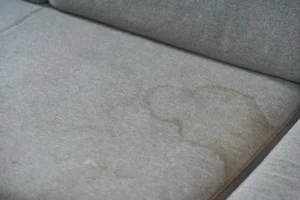
How to Dry a Wet Couch After a Water Spill
Blotting is the only real first step. Pressing a dry towel straight down on the spill absorbs water without spreading it sideways or pushing it deeper. Rubbing feels productive but usually just enlarges the wet area.
Don’t add soap or cleaners. Plain water doesn’t need chemicals, and introducing them now often leaves a sticky residue that becomes its own problem. If the fabric looks delicate or unfamiliar, it might be worth pausing entirely and checking whether water is even safe for it.
Recommended tool: For larger fresh-water spills, a wet/dry vacuum can help remove surface moisture before air drying. Use gentle suction and avoid pressing hard into delicate upholstery.
View wet/dry vacuums on Amazon (paid link)
A Careful Cleaning Approach
Once surface water is blotted, airflow becomes the main concern. If the cushion cover unzips, removing it might help—but only if doing so won’t stretch or damage the fabric. Some materials lose their shape when handled wet.
Standing cushions upright or propping them at an angle improves air circulation. Opening windows or running a fan nearby is better than nothing, though it’s hard to tell whether the inside of a cushion is actually drying or just the surface. Pressing into the fabric occasionally gives a rough sense of whether moisture is still trapped.
Heat sources feel like they should speed things up, but pointing a hairdryer or heater at wet upholstery can stiffen fabric or set stains that weren’t visible before. Even if the surface feels warm, heat often just shifts moisture around rather than removing it.
Common Mistakes That Feel Logical
Stacking towels on the spill and leaving them there seems helpful, but weight alone doesn’t pull water out—it mostly compresses it. Leaving damp towels on fabric for too long can trap humidity and create conditions mold prefers.
Assuming the couch is fine because it looks dry is another frequent misstep. Foam holds moisture much longer than the outer fabric does, and dampness inside doesn’t always show obvious signs until a smell develops. This is one reason couches sometimes develop odors even when no spill seems visible.
How Deep Can Fresh Water Travel Inside a Couch?
Why Surface Dryness Can Be Misleading
When the top fabric feels dry, moisture may still be trapped inside the foam or seams. Upholstery fabric dries faster than internal padding, which can create a false sense that the couch is fully dry. This is one of the main reasons odors appear a day or two later.
Fresh water can travel deeper than the fabric surface, especially if it reaches the cushion seams. Foam and padding can hold moisture in the core even when the top feels dry. Gravity pulls water downward, while capillary action can spread it sideways inside the cushion. This is why airflow and controlled drying matter more than scrubbing or adding more liquid.
How Cushion Foam Absorbs Moisture
Foam cushions act like a sponge. Even a small water spill can travel deeper than expected, especially if pressure is applied while blotting. Sitting on the couch too soon can push moisture further into the padding, making surface drying misleading.
Why Seams and Frames Stay Damp Longer
Water often travels toward seams and wooden frames. These areas receive less airflow and dry much slower than exposed fabric. If moisture reaches the internal frame, drying time increases significantly and odor may develop later.
What If Your Couch Got Wet From Rain?
If a couch was left in the rain, treat it as a deeper saturation problem rather than a simple surface spill. Remove cushions if possible, blot standing water, and create airflow around every side of the upholstery.
Rainwater can reach the foam, seams, and frame quickly, so drying may take 24–72 hours or longer. If the cushions still feel heavy, cool, or damp after a full day of airflow, moisture is likely trapped deeper inside.
When This Approach Is Not Enough
If water reached the couch frame or pooled under the cushions, home drying methods probably won’t reach it. Moisture in those areas doesn’t evaporate easily, and wood frames can warp if they stay wet. Moisture that remains trapped inside a couch can continue to cause problems even after the surface feels dry.
Certain cushion types—down fill, memory foam, layered padding—don’t dry evenly and take much longer than standard foam. If blotting and airflow don’t seem to be making progress, the water likely soaked deeper than casual methods can address. That’s not a mistake on anyone’s part; it just means the material absorbed more than surface-level drying can handle. In some cases, stopping early is safer than continuing to handle the fabric.
If a smell appears or the fabric stays darker in certain spots even after sitting in open air, it’s worth considering professional help before the issue becomes structural. There’s no shame in stopping early.
How Long Does It Take for a Couch to Dry After a Fresh Water Spill?
Drying time depends on how much water was absorbed, the type of fabric, indoor airflow, and humidity levels. In light surface spills, visible dryness may appear within a few hours. However, internal padding can remain damp for 24 to 48 hours — sometimes longer in high-humidity homes.
For a more detailed breakdown by spill size and cushion saturation, see our guide on how long a couch takes to dry.
Opening windows, improving airflow, and avoiding pressure on the cushions can reduce drying time. Even when the surface feels dry, it is safer to wait at least a full day before normal use.
What Happens If You Use the Couch Too Soon?
Using a couch before internal moisture has fully dried can push water deeper into the padding and slow down evaporation. Even light pressure can redistribute moisture inside the cushion. This is why waiting matters more than visible dryness.
Can You Put a Couch in the Sun to Dry?
Direct sunlight can help dry some couch materials, but it is not always the safest option. Strong sun and heat may fade upholstery, stiffen certain fabrics, or cause uneven drying while moisture remains inside the cushion.
If possible, place the couch in a bright, well-ventilated area with indirect sunlight and strong airflow instead. If you do use direct sun, keep exposure limited and check the fabric regularly for discoloration or heat buildup.
FAQ
How can you tell if a cushion is actually dry inside?
Pressing into the fabric helps, but foam can feel dry on the surface while staying damp underneath. If it feels cool to the touch or heavier than usual, moisture is probably still there.
Can a wet/dry vacuum help pull water out?
Sometimes, if used gently on the surface. Pressing too hard or holding it in one spot can damage fabric or pull foam apart. It’s not a reliable shortcut, and it won’t reach water that’s already deep inside.
Will a dehumidifier help?
It lowers moisture in the air, which can slow mold growth, but it won’t pull water directly out of the cushion. It’s a background measure at best.
What if the water had something mixed in—like a drink?
If the water carried sugar, soap, or anything else, plain drying won’t address the residue or stain. At that point, the moisture is only part of the problem, and cleaning the area gently before drying might be necessary. Testing any cleaner on a hidden spot first matters more than rushing.
Can a fresh water spill cause mold in a couch?
Fresh water alone rarely causes mold immediately, but trapped moisture inside padding can create conditions for growth within 24–48 hours.
Should I use a fan or a dehumidifier after a water spill?
Air circulation helps surface drying, but a dehumidifier is more effective at reducing internal moisture in the cushions.
Is blotting enough for a large water spill?
Blotting removes surface moisture, but larger spills may require cushion removal and airflow from multiple directions.
For a complete breakdown of how couch moisture moves, dries, and sometimes causes delayed odors, see our couch moisture and drying guide.