
Older upholstery doesn’t just look different—it responds to cleaning in ways that can surprise you. What worked on a couch five years ago might cause irreversible damage today, even if the stain looks the same. Age changes fabric at a structural level, and most cleaning advice ignores this entirely.
Why Age Makes Fabric More Vulnerable
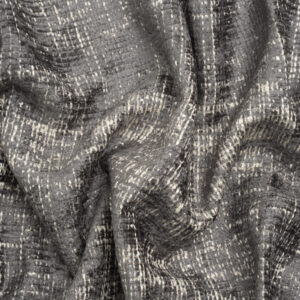
Fibers weaken over time from sunlight exposure, body oils, and simple use. Natural materials like cotton and linen lose tensile strength, while synthetics become brittle. Dyes fade unevenly, meaning some areas are more fragile than others even if the surface looks uniform. The backing adhesive that holds upholstery together also degrades, which is why aggressive rubbing can cause pilling or separation in older pieces that newer fabric would tolerate. These changes often explain why some materials react badly to cleaning stress later in their lifespan.
The Deceptive Appearance Problem
A couch that still looks intact may have crossed an invisible threshold where normal cleaning becomes risky. There’s no reliable way to know this from appearance alone, and a small test spot won’t always reveal the problem if the weakest area is somewhere else.
Why Moisture Becomes More Dangerous
Aged fabric absorbs liquid differently than new material. Water can penetrate backing layers that were previously sealed, causing warping, mildew, or stains that wick outward instead of lifting away. Even “waterproof” treatments break down, often without visible signs. If the fabric takes noticeably longer to dry than you remember, that’s a warning the material has changed. Slower drying often allows moisture to affect deeper layers of the couch.
Cleaning Methods That Age Poorly
Steam cleaning stresses old fibers through heat and saturation. Scrubbing—even gentle scrubbing—can fray weakened weave patterns. Alkaline cleaners that were safe on new fabric may now cause color shifts or texture changes because the protective finish has worn away. The difficulty is that you won’t know the finish is gone until after you’ve applied something. This is why repeated cleaning on aging fabric often causes cumulative damage.
Fabrics That Age Unpredictably
Silk and rayon become extremely fragile with age, sometimes tearing under light pressure. Velvet crushes more easily and may not recover its pile. Leather develops dry spots that absorb cleaners unevenly, leading to permanent discoloration. Blended fabrics fail inconsistently—one fiber type weakens faster, destabilizing the entire weave.
The Problem With “Just Try It” Approaches
Testing a hidden area doesn’t guarantee the visible area will react the same way, especially if sun exposure has been uneven. Damage from cleaning aged fabric often appears hours later as the material dries, not immediately. Once fibers are disrupted, there’s usually no reversal.
When Age Should Change Your Decision
If the couch is more than ten years old, consider whether the stain is worse than the risk. Vintage or heirloom pieces almost always require professional assessment before any cleaning attempt. If you notice the fabric feeling thinner, stiffer, or making slight tearing sounds when you press into cushions, home cleaning is probably not the safer choice.
FAQ
Can you restore strength to aged upholstery fabric before cleaning it?
No. Fiber degradation is permanent. Some products claim to “condition” fabric, but they add surface coating, not structural integrity.
Is dry cleaning safer for old couches than water-based methods?
Not necessarily. Dry cleaning solvents can dissolve weakened adhesives or cause brittleness in some aged synthetics. Age makes all methods riskier.
How do you know if a couch is too old to clean safely at home?
If pressing firmly on the fabric leaves a visible impression that doesn’t bounce back, or if you see any pilling or thread separation in high-use areas, the material may not withstand cleaning stress. But absence of these signs doesn’t guarantee safety.
Does fabric age faster in certain rooms?
Yes. Direct sunlight, humidity, and heat accelerate degradation significantly. A couch near a window may be years “older” in condition than its actual age.
Can professional cleaners safely clean fabric that’s too old for home methods?
Sometimes, but not always. Professionals have gentler tools and more experience recognizing fragility, but extremely aged fabric may be beyond any safe cleaning. They should assess before proceeding, and reputable services will tell you when cleaning isn’t advisable.