
Microfiber feels durable, but it responds unpredictably to cleaning methods that work fine on other fabrics. The material’s structure creates vulnerabilities that aren’t obvious until damage has already happened.
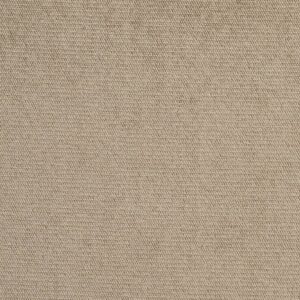
Why Microfiber Reacts Differently
The fibers are extremely fine—thinner than silk—and this thinness makes them prone to matting, flattening, or melting under conditions that wouldn’t affect cotton or linen. Water alone can cause texture changes if it’s applied unevenly or allowed to dry too slowly.
Most problems start because microfiber doesn’t look delicate. This becomes more complicated once moisture moves unevenly through the fabric.
Heat Sensitivity
Microfiber is usually made from polyester or polyamide, both of which soften or distort at temperatures lower than many people expect. Steam cleaners, hot water, or even friction from vigorous scrubbing can alter the surface permanently. The fibers may lose their raised texture or develop shiny, flattened patches that don’t match the rest of the fabric.
If the couch feels warm to the touch during cleaning, that’s already a warning sign. Heat combined with airflow can intensify surface damage rather than reduce it.
Water Absorption Problems
Microfiber absorbs water quickly, but it also holds onto it longer than you’d expect. This creates two risks: water rings from uneven drying, and deeper saturation that spreads stains instead of lifting them. Over-wetting is one of the most common mistakes, and it’s difficult to reverse once the cushion core is soaked.
Blotting often pushes liquid further in rather than pulling it out.
Cleaning Products That Cause Permanent Changes
Many standard upholstery cleaners contain ingredients that leave residue in microfiber, making the texture stiff or sticky. Oil-based products can darken the fabric permanently. Alkaline cleaners may weaken the fibers over time, even if the initial result looks fine.
Testing a product in a hidden area doesn’t always reveal delayed effects.
Friction and Texture Loss
Scrubbing—even gently—can crush the nap of microfiber and create visible marks that won’t brush back into place. The directionality of the fibers means that rubbing in circles or back-and-forth can leave streaks or dull spots. Once the texture is flattened, it usually stays that way. Repeated scrubbing often changes fabric texture faster than chemical exposure does.
What feels like light pressure may already be too much.
When the Fabric Code Doesn’t Help
Many microfiber couches are labeled “S” (solvent-based cleaners only) or “W” (water-based cleaners), but following the code doesn’t guarantee safety. Some microfiber blends react badly to solvents despite the label, and water-safe microfiber can still water-spot or stiffen depending on the finish applied during manufacturing.
The code reflects general guidelines, not the specific behavior of your couch.
Why Professional Cleaning Isn’t Always the Answer
Professionals use stronger equipment, which can mean faster drying and better extraction, but it also means more heat, more suction, and more chemical concentration. Microfiber that’s already worn or previously treated may not tolerate aggressive methods. Not all cleaning services specialize in microfiber, and assuming expertise can lead to results worse than doing nothing.
Asking specific questions about their microfiber experience matters more than general credentials.
FAQ
Can you use rubbing alcohol on microfiber?
Rubbing alcohol evaporates quickly and sometimes lifts stains without leaving water rings, but it can also strip color or leave the fabric stiff. Testing it on a hidden seam is necessary, though even a successful test doesn’t predict how a larger area will react.
Does microfiber get softer after cleaning?
Usually no. Microfiber often feels stiffer or rougher after cleaning, especially if any residue is left behind. Brushing with a soft brush after it’s fully dry may help restore some texture, but results vary.
Why does my microfiber couch look darker after cleaning?
Uneven drying, leftover cleaning product, or changes to the fiber orientation can all create darker patches. Sometimes the original color was uneven to begin with, and cleaning just makes it more noticeable.
Is microfiber more delicate than it seems?
Yes. The thin fibers and surface texture make it more vulnerable to heat, water, and friction than fabrics that feel similar. What works on a cotton blend or synthetic velvet may ruin microfiber.
Should I avoid cleaning microfiber altogether?
Not necessarily, but hesitation is reasonable. Small, fresh stains might respond to very light blotting with minimal liquid, but older stains or large spills often require accepting that the texture or appearance may change regardless of method.