
Most damage to couches doesn’t come from stains—it comes from cleaning them. A method that works safely on one fabric can permanently alter another, and the differences aren’t always visible until after the cleaner has been applied. Understanding why fabrics respond differently matters more than knowing which cleaner to use.
The Problem With Universal Cleaning Advice
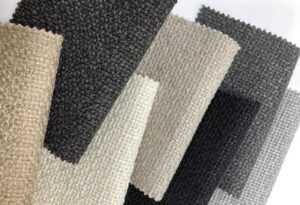
Fabrics are not interchangeable surfaces. Some are woven tightly, others loosely. Some fibers repel moisture, others absorb it immediately. Some dyes are stable, others dissolve on contact with certain substances. A cleaner that lifts a stain from microfiber might streak velvet, fade linen, or stiffen leather. The issue isn’t that one method is wrong—it’s that no single method is safe across all materials. This becomes especially clear once moisture enters the couch and starts interacting with different fabric layers.
Before assuming a popular cleaning trick will work, consider that it was likely tested on a fabric different from yours.
How Fiber Type Changes Everything
Natural fibers like cotton and linen absorb liquids quickly, which means cleaners penetrate deeply. This can help lift stains, but it also means the fabric holds onto moisture longer, increasing the risk of water rings, color bleeding, or mildew. Synthetic fibers like polyester and nylon resist absorption, so cleaners often sit on the surface. This can make staining worse if the cleaner isn’t removed properly, or cause streaking if wiped unevenly.
Blended fabrics combine these behaviors unpredictably. A cotton-polyester blend might absorb cleaner in some areas and repel it in others, leading to uneven results that look worse than the original stain.
Why Weave and Texture Matter
A tightly woven fabric like canvas or twill can tolerate more agitation because the fibers are locked together. Loosely woven fabrics—anything with visible gaps between threads—are more fragile. Rubbing can pull threads out of alignment or create permanent distortion. Velvet, chenille, and other pile fabrics have fibers that stand upright; any pressure flattens them, and once flattened, they rarely return to their original state. Even gentle blotting can crush the pile if done repeatedly in the same spot.
If you’re unsure how delicate the weave is, assume it’s more fragile than it appears.
The Role of Dyes and Finishes
Some fabrics are solution-dyed, meaning color is added during fiber production and is relatively stable. Others are piece-dyed after weaving, and the dye sits on the surface where it’s vulnerable to anything acidic, alkaline, or solvent-based. There’s no reliable way to tell which type you have without manufacturer information. Textile manufacturing sources explain that dyeing and finishing methods vary widely depending on fiber type and production process. Protective finishes—stain repellents, water resistance treatments, UV coatings—can also react unpredictably to cleaners, sometimes dissolving or becoming sticky.
A fabric that looks colorfast might not be.
Why Water Alone Isn’t Always Safe
Water seems harmless, but it can cause problems depending on the fabric. Natural fibers may shrink, stiffen, or develop water rings as they dry. Some dyes are water-soluble and will bleed or fade. Fabrics with a nap or pile can lose their texture when wet. Even distilled water can leave mineral-like residue on certain synthetics if it doesn’t dry evenly.
Using water cautiously doesn’t guarantee safety—it just reduces some risks. In some cases, moisture-related issues don’t appear right away, but develop gradually after the couch dries.
How pH Sensitivity Complicates Cleaning
Fabrics and dyes respond to acidity and alkalinity in different ways. Acidic cleaners (like vinegar) can brighten some dyes and dull others. Alkaline cleaners (like baking soda solutions) can weaken protein-based fibers like silk or wool, and can also cause certain dyes to shift color. Neutral cleaners are safer in theory, but “neutral” is relative, and small pH differences can still cause visible changes on sensitive materials.
Testing a cleaner in a hidden spot doesn’t always reveal how it will behave on a larger, more visible area.
When “Safe” Cleaners Cause Damage
Mild dish soap, a common recommendation, can leave a residue that attracts dirt or causes fabric to stiffen. Rubbing alcohol evaporates quickly, which sounds ideal, but it can strip dyes and dissolve certain finishes. Hydrogen peroxide is effective on some stains but can bleach or yellow fabrics unpredictably. Club soda works on fresh spills but leaves behind dried minerals. Baby wipes contain moisturizers and fragrances that can build up or create oily spots.
Even products marketed as “fabric-safe” are only safe for some fabrics under some conditions.
Why Heat and Drying Methods Change Outcomes
How a fabric dries affects the final result as much as the cleaner itself. Fast drying with a fan or dryer can cause uneven color or stiffness. Slow air drying in a humid room can lead to mildew or water rings. Heat from dryers or irons can set stains permanently, but it can also cause shrinkage or damage to synthetic fibers that melt at low temperatures.
Drying isn’t a neutral step—it’s part of the cleaning process and carries its own risks.
Fabric Types That Require Extra Caution
Velvet, silk, wool, viscose, and acetate are especially reactive. Velvet crushes easily and rarely recovers. Silk and wool are protein fibers that weaken with alkaline cleaners. Viscose behaves like a natural fiber but is technically synthetic and can shrink or distort when wet. Acetate dissolves in acetone-based products and can water-spot easily. Leather and suede require entirely different care and can be ruined by water or standard upholstery cleaners.
If your couch fabric falls into any of these categories, assume that most general cleaning advice doesn’t apply.
When Stopping Is the Safer Choice
If the fabric’s care tag is missing or unclear, if previous cleaning attempts have caused discoloration, if the stain has already set for days or weeks, or if the material feels delicate or unfamiliar, further cleaning may cause more harm than the stain itself. Some stains become permanent not because they can’t be removed, but because removal would destroy the fabric in the process. In situations like this, choosing not to act can be the least damaging option.
Leaving a stain untreated is sometimes the least damaging option.
FAQ
Can I test a cleaner on a hidden part of the couch to see if it’s safe?
Testing helps, but it’s not foolproof. Hidden areas may be made from slightly different material, or the test spot might be small enough that problems don’t show until applied to a larger area. Drying conditions also differ between a small test patch and a larger cleaned section.
Why do some fabrics look darker or feel stiff after cleaning?
Residue from the cleaner, uneven drying, or changes to the fabric’s finish can all cause this. Once stiffness or color change has occurred, it’s often difficult to reverse without professional treatment.
Is there a universal safe cleaner for all couch fabrics?
No. Every cleaner carries risks depending on fiber type, dye, weave, and finish. What works on one couch might damage another that looks similar.
What if the care tag says “S” or “W” or “X”?
“S” means solvent-based cleaners only—no water. “W” means water-based cleaners. “X” means no liquid cleaners at all, only vacuuming. “S/W” means either can be used, but that doesn’t mean both are equally safe. Even with a tag, proceed cautiously.
Why do professional cleaners sometimes refuse certain fabrics?
Because some materials are too unpredictable or fragile to clean without risk of damage, even with professional equipment. Refusal isn’t a lack of skill—it’s an acknowledgment of the fabric’s limits.