
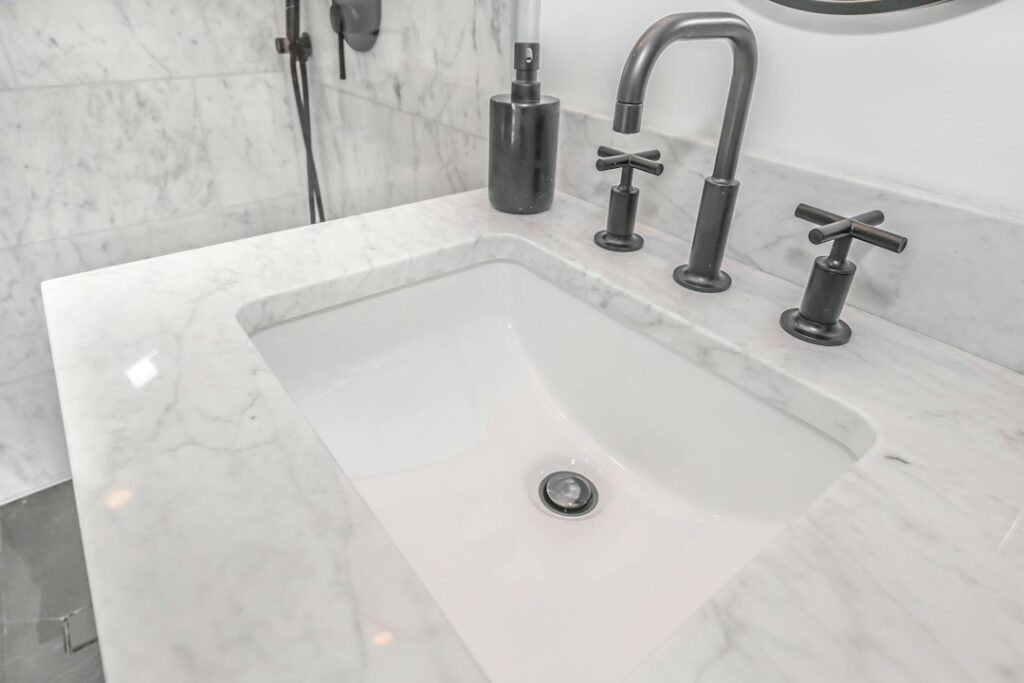
A faucet that keeps dripping after you turn it off usually has an internal sealing problem rather than a problem with the spout itself. The handle may feel completely closed, yet a worn cartridge, valve seat, washer, O-ring, or damaged internal component can still allow a small amount of water to pass.
A few drops immediately after shutoff can sometimes be residual water draining from the spout. A steady drip that continues for minutes or hours is different. That means the faucet is not fully stopping the water supply and the internal control parts need attention.
This guide explains the most common reasons a faucet keeps dripping after shutoff, what you can safely check, and when replacement parts or a plumber are the better option.
Why a Faucet Can Keep Dripping After You Turn It Off
Modern faucets control water with internal cartridges, ceramic discs, stems, washers, or similar sealing components. When the handle moves to the off position, those parts are supposed to close the water path completely. Wear, mineral deposits, damaged seals, or a loose internal component can prevent a complete seal.
Moen notes that when water continues to drip from the spout after a faucet is turned off, the cartridge is usually the part responsible for controlling that flow. Moen’s bathroom faucet troubleshooting guidance identifies the cartridge as the common cause of this symptom.
Common Reasons a Faucet Keeps Dripping
1. A Worn Faucet Cartridge
In many single-handle and two-handle faucets, a cartridge controls water flow. Over time, the internal seals can wear or become scratched. When that happens, the cartridge may no longer stop water completely even though the handle reaches the off position.
This is one of the most common causes of a continuous drip from the spout.
2. Worn Washers or O-Rings
Older compression-style faucets often use rubber washers and seals that press against a valve seat. As these parts harden, flatten, crack, or wear, water can slip past the seal. O-rings can also deteriorate and allow leaks around internal moving parts.
3. Mineral Buildup or Debris Inside the Valve
Hard-water deposits or small particles can prevent a cartridge or seal from closing evenly. A faucet may begin dripping suddenly after plumbing work or after sediment enters the supply line.
If a cartridge is being serviced, cleaning the valve body according to the manufacturer’s instructions can help prevent new replacement parts from sealing against debris.
4. A Damaged Valve Seat
The valve seat is the surface that a washer or other sealing component closes against. Corrosion, pitting, or mineral deposits can create an uneven sealing surface. Replacing a washer alone may not stop the drip if the surface underneath is damaged.
5. The Handle or Cartridge Is Not Fully Reaching the Off Position
Loose hardware, incorrect handle installation, or a cartridge that is not seated correctly can keep the valve slightly open. This is more likely if the faucet started dripping immediately after installation or repair rather than gradually over time.
Is a Few Drops After Shutoff Normal?
A small amount of water can remain inside a long faucet spout or pull-down hose after the valve closes. A few drops that stop quickly may simply be residual water draining out.
A drip that continues at a regular rhythm, keeps going for several minutes, or is still present later is not just residual water. That indicates the valve is allowing new water through.
What to Check First
Confirm Where the Water Is Coming From
Dry the faucet and sink area, then watch carefully. A drip from the end of the spout points to an internal shutoff problem. Water around the handle or faucet base may indicate a different seal or connection issue.
Turn the Handle Off Normally, Not Excessively Tight
If the faucet has separate handles, close them with normal hand pressure. Do not force the handle tighter in an attempt to stop the leak. Excessive force can damage stems, handles, or seals.
Identify the Faucet Brand and Model
Before buying replacement parts, look for the manufacturer and model number. Cartridges are not universal. Even faucets that look similar may use different internal components.
Check Whether One Side Is Responsible
On a two-handle faucet, you may be able to determine whether the hot or cold valve is leaking by shutting off one supply valve at a time under the sink. If the drip stops when one side is isolated, that helps identify which cartridge or stem needs service.
Only operate shutoff valves if they are accessible and in good condition. An old or corroded stop valve can begin leaking when disturbed.
Can You Fix a Dripping Faucet Yourself?
Replacing a cartridge, washer, or O-ring can be a reasonable DIY repair when the faucet model is known, the shutoff valves work properly, and the manufacturer provides clear service instructions.
Before disassembly, shut off the water supply and open the faucet to confirm pressure is relieved. Protect the drain so small screws or clips cannot fall into it. Keep parts in order as they are removed.
If the shutoff valves will not close, the faucet is badly corroded, or you are unsure which internal part is required, stop before taking the faucet apart.
Common Mistakes to Avoid
Buying a cartridge by appearance alone. Similar-looking cartridges are often not interchangeable. Match the exact faucet model whenever possible.
Overtightening the handle. Forcing the faucet closed can damage internal parts without solving the sealing problem.
Disassembling the faucet before testing the shutoff valves. Always confirm you can stop the water before removing internal components.
Replacing only the visible seal without inspecting related parts. A damaged valve seat or debris inside the valve can cause a new seal to leak again.
Ignoring water under the sink. A faucet that drips from the spout is one issue; leaking supply connections or shutoff valves are separate problems that should be addressed promptly.
When a Drip Points to a Bigger Plumbing Problem
Most dripping faucets are local fixture problems, but call for help if the leak is accompanied by low water pressure, banging pipes, a failed shutoff valve, water leaking inside the cabinet, or signs of moisture damage around the wall or countertop.
If you cannot stop the water using the fixture shutoffs, know where the home’s main water shutoff is before attempting further work.
When to Call a Professional Plumber
Call a plumber if the faucet continues to drip after the correct cartridge or seals are replaced, the valve body or seat is damaged, the shutoff valves leak or will not close, or the faucet is difficult to identify and disassemble safely.
Professional repair is also a good choice when the faucet is part of a concealed wall-mounted system or when access requires removing finished surfaces. In those cases, a small mistake can create a much larger leak.
Final Thoughts
If your faucet keeps dripping after you turn it off, first determine whether the water stops after a few residual drops or continues steadily. A persistent drip usually means an internal sealing component is no longer closing completely.
Identify the faucet model, confirm the water can be shut off safely, and follow the manufacturer’s repair instructions for the exact cartridge or valve system. If the leak persists or the shutoff hardware is unreliable, a plumber can repair the problem without turning a simple faucet drip into a larger water issue.