
Velvet and suede upholstery can be permanently damaged by cleaning methods that work fine on other fabrics. These materials have unique structures that react badly to water, friction, and common household cleaners—often in ways that aren’t obvious until after the damage is done. Recognizing when to stop is more valuable than knowing how to start. This is especially true for fabrics that react unpredictably once moisture is introduced.
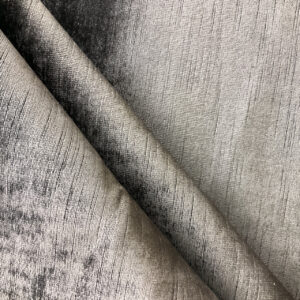
Warning Signs to Pause or Stop
If any of these apply, conventional cleaning approaches will likely make things worse:
- The fabric changes color when touched with a damp finger
- Water droplets sit on the surface instead of absorbing, or absorb immediately and spread
- The care tag says “dry clean only” or uses an S-code (solvent-based cleaning only)
- The nap (surface texture) has already been flattened or disturbed in the stained area
- You’re uncertain whether the upholstery is genuine suede/velvet or a synthetic look-alike
- The stain has been there for weeks or months and has set deeply
- Previous cleaning attempts left rings, discoloration, or texture changes
There’s no shame in deciding a couch with ambiguous care instructions isn’t worth the risk.
Why DIY Cleaning Can Make Things Worse
Velvet relies on thousands of tiny upright fibers that reflect light uniformly. When those fibers get wet, they clump together and dry in flattened or matted patterns. This creates permanent shading or “crush marks” that look like new stains, even after the original spot is gone. Rubbing—even gently—pushes the fibers in different directions and disrupts the uniform nap.
Suede is even less forgiving. Its surface is made of buffed leather with no protective finish. Water causes the fibers to swell, stiffen, and sometimes shrink as they dry. This leaves hard, dark patches that feel rough to the touch. Oil-based stains can spread outward when you try to blot them, and water-based cleaners often leave visible tide marks as they evaporate.
Many upholstery cleaners contain detergents that leave residue in these porous materials. That residue attracts more dirt over time, so the “cleaned” area re-soils faster than the rest of the couch. Repeated attempts to improve the result often compound the original damage.
Safer Alternatives to Consider
Observation
Sometimes a stain stops being noticeable after a few days as your eye adjusts, or as the fabric’s texture naturally rebounds in low-humidity conditions. Waiting doesn’t cost anything and preserves your options.
Testing in hidden areas
If you do want to try something, test any product on the back panel or underside of a cushion first—not on the stain itself. Wait 24 hours to see if texture or color changes appear. This step catches problems before they’re visible to guests.
Professional evaluation
Upholstery cleaners who specialize in delicate fabrics can sometimes assess a stain without charging for a full cleaning. They may tell you honestly if the couch is better left alone. This isn’t a sales pitch for services—it’s reconnaissance that helps you make a decision with better information.
Why Doing Nothing Can Sometimes Be the Smartest Choice
A small stain on an otherwise intact couch may be less noticeable than a large area of disturbed texture or discoloration from a failed cleaning attempt. Velvet and suede age visibly over time anyway—some wear is part of owning these materials. In some cases, leaving the couch untouched prevents far more visible damage.
If the couch is several years old, the cost of professional cleaning might approach the cost of replacement, especially if the fabric is already showing wear in other areas. Accepting a flaw you can live with is a reasonable outcome, not a failure.
Some stains fade naturally with air exposure or settle into the fabric in ways that become less obvious over weeks. Restraint gives you time to see if the problem resolves itself without intervention.
FAQ
Can I use a suede brush to lift the nap after a stain dries?
Only on genuine suede, and only if the fabric wasn’t damaged during staining. Brushing velvet usually makes things worse by disrupting the pile direction. If you’re unsure of the material, brushing is a gamble.
What about “dry” cleaning solvents sold in stores?
These can work on S-coded fabrics, but they’re flammable, smell strong, and can still leave rings if over-applied. Ventilation is critical, and results vary widely depending on the stain type. Testing remains essential.
Will a steam cleaner work on velvet?
Steam introduces both heat and moisture, which can crush the pile and cause shrinkage in the backing material. It’s one of the riskier home methods.
How do I know if my couch is real suede or microfiber?
Real suede feels slightly oily and has an irregular texture with visible pores. Microfiber (often called “microsuede”) is more uniform and doesn’t change color when you run your finger across it. When in doubt, assume the more fragile option.
Is there any stain I can safely treat on velvet or suede at home?
Dry debris—like crumbs or dirt—can often be vacuumed gently with an upholstery attachment. Anything wet or greasy enters risky territory quickly, especially on darker colors where texture changes show more clearly.
What if I already made it worse?
Stop immediately. Additional attempts to “fix the fix” usually compound the damage. A professional may still be able to improve the appearance, but expectations should be realistic at that point.
For a complete breakdown of how couch moisture moves, dries, and sometimes causes delayed odors, see our couch moisture and drying guide.