
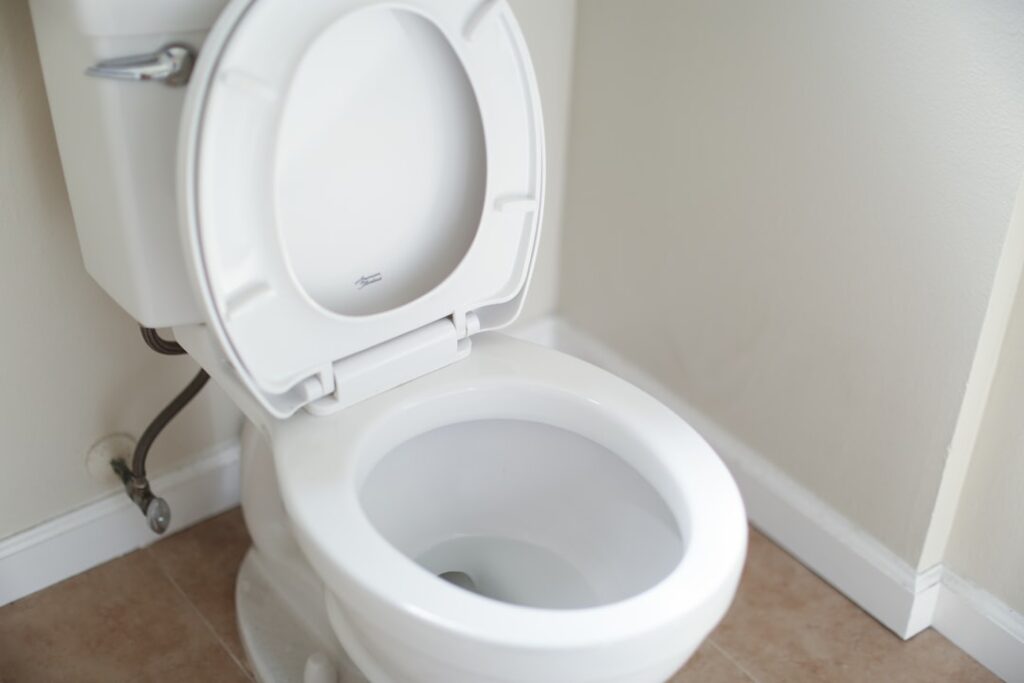
A toilet bowl that suddenly has less water than usual can be confusing because the toilet may still flush and appear to work normally. In many cases, the problem comes from how the bowl is being refilled after a flush rather than from the bowl itself.
Low toilet water can be caused by a refill tube that is out of position, a tank that is not filling high enough, a flapper that closes too early, or a drainage or venting problem that pulls water out of the bowl.
This guide explains the most common reasons a toilet water level suddenly drops, the checks you can safely make yourself, and the warning signs that mean the problem should be handled by a plumber.
Why a Toilet Bowl Needs the Correct Water Level 🚽
The water sitting in a toilet bowl is not only there for flushing. It also forms a water seal inside the toilet trap that helps block sewer gases from entering the bathroom.
After each flush, the toilet tank refills and a small amount of water is directed back into the bowl. If that refill process is interrupted, the bowl can stop filling at a lower level than normal.
Kohler’s toilet guidance explains that the fill valve refills both the tank and the bowl after a flush. Manufacturer troubleshooting information also lists low tank water, refill-tube problems, and blocked waste or vent pipes as possible causes of poor bowl refill.
Common Reasons Your Toilet Water Level Is Suddenly Low ⚠️
1. The Refill Tube Is Out of Position
Inside the toilet tank, a small refill tube directs water into the overflow tube while the tank is refilling. That water is what helps restore the normal water level in the bowl.
If the refill tube becomes disconnected, bent, blocked, or positioned incorrectly, the tank may refill normally while the bowl remains unusually low.
2. The Tank Water Level Is Too Low
If there is not enough water in the tank, the toilet may not send enough water through the bowl during the flush and refill cycle. This can happen after the fill valve has been adjusted, after a repair, or when the fill valve begins to malfunction.
Check the water-level mark inside the tank if one is present. On many toilets, the water should stop below the top of the overflow tube rather than far below it.
3. The Flapper Closes Too Soon
The flapper or flush valve controls how long water leaves the tank during a flush. If it closes too quickly, the toilet may not receive the full volume of water it needs.
A chain that is too tight, too loose, or tangled can sometimes affect how the flapper moves.
4. There Is a Partial Clog
A partial blockage in the toilet trap or drain can sometimes change the way water moves through the bowl. In some cases, water is slowly pulled out after the flush, leaving the final level lower than normal.
If the toilet is also slow to flush, rises higher than usual before draining, or clogs repeatedly, a blockage becomes more likely.
5. The Plumbing Vent May Be Restricted
Your plumbing vent helps balance air pressure in the drainage system. When a vent is blocked, pressure changes can interfere with normal drainage and may affect the water level in the toilet bowl.
Gurgling sounds, bubbles in the bowl, slow drains elsewhere in the bathroom, or water levels that change when another fixture drains can point to a venting or drain-line problem.
What to Check First 🔎
Step 1: Flush and Watch the Bowl Refill
Flush the toilet once and watch what happens after the main flush ends. The bowl should gradually receive additional water while the tank refills.
If the bowl stops refilling very early, inspect the tank components next.
Step 2: Remove the Tank Lid
Set the lid down carefully on a towel or soft surface. Look for the small refill tube and confirm that it is connected and directing water toward the overflow tube as the tank refills.
Do not force or sharply bend plastic parts, especially on older toilets.
Step 3: Check the Tank Water Level
Allow the tank to finish filling. Compare the water level with the manufacturer’s water-level mark or the overflow tube. If the tank is filling unusually low, the fill valve may need adjustment or service.
Step 4: Listen for Gurgling or Slow Drainage
Flush again and listen for unusual gurgling. Check nearby sinks, tubs, or showers for slow drainage. Multiple drainage symptoms suggest the problem may extend beyond the toilet tank.
Can You Keep Using a Toilet With Low Bowl Water?
A slightly low water level caused by a simple refill issue is usually not an immediate emergency, but it should not be ignored for long.
If the water level becomes very low, the toilet may flush poorly and the water seal inside the trap may be reduced. If you also notice sewer odors, repeated gurgling, or drainage problems, stop treating it as a simple tank adjustment and have the plumbing system checked.
Signs the Problem Is More Than a Simple Adjustment 🚨
Call a plumber if you notice any of the following:
• The bowl water keeps dropping even when the toilet has not been flushed
• The toilet gurgles when a sink, shower, or other fixture drains
• Several drains in the home are slow at the same time
• The toilet repeatedly clogs or nearly overflows
• You smell sewer gas in the bathroom
• Water appears around the base of the toilet
• Adjusting the refill system does not restore the normal bowl level
Water around a plumbing fixture should be addressed quickly because moisture can spread into nearby flooring before the damage becomes obvious. Similar moisture-related damage is discussed in our guide on how hidden leaks can damage floors before you notice.
Common Mistakes to Avoid ❌
• Repeatedly adjusting the fill valve without checking the refill tube first
• Assuming every low-water problem is caused by the toilet tank
• Pouring chemical drain cleaner into the toilet
• Ignoring gurgling or sewer odors
• Climbing onto the roof to inspect a plumbing vent without proper equipment and experience
A tank adjustment can solve a simple refill problem, but it will not fix a blocked drain or plumbing vent.
When to Call a Professional Plumber 🧑🔧
If the refill tube and tank water level look normal but the bowl still loses water, the issue may be deeper in the toilet trap, drain line, or vent system.
A plumber can check for partial blockages, venting problems, hidden leaks, and damaged toilet components without relying on repeated trial-and-error adjustments.
You should also call a professional if sewer odors are present or if several fixtures begin draining slowly at the same time, because those symptoms can indicate a broader drainage problem.
Final Thoughts 🚽
A toilet water level that suddenly becomes low is often caused by a straightforward refill problem. Start by watching the refill cycle, checking the refill tube, and confirming that the tank reaches its normal water level.
If the toilet also gurgles, drains slowly, repeatedly clogs, or loses bowl water between flushes, the cause may be a partial blockage or venting problem rather than a simple tank adjustment. Catching the difference early can prevent a small toilet issue from becoming a larger plumbing problem.